Disclosure: This post may contain affiliate links. As an Amazon Associate I earn from qualifying purchases.
Trail bikes are the type most people end up happy with, because they climb and descend well on almost any trail. The other types are built for a narrower job: cross-country racing, steep enduro and downhill runs, snow and sand, or easier climbing with an e-MTB.
Here is each type with its suspension travel, what it is good at and who it suits.
Also read: 27 Best Mountain bike trails in the USA
10 Best Types of Mountain Bikes for Every Terrain
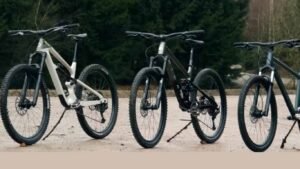
Types of Mountain Bikes
Here are some of the best types of mountain bikes that you can choose from.
-
Trail Bikes: The Jack-of-All-Trades
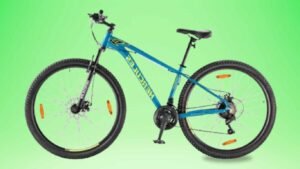
Trail bikes are the most popular mountain bikes, and they are kind of like Swiss Army knives. They can handle any type of terrain, such as smooth, flowy trails or rocky climbs etc.
Trail bikes come with a suspension level which ranges from 120mm to 150mm. They come with a great balance between efficiency on climbs and on descents.
You can look for popular bike brands like the Santa Cruz 5010 or the Trek Fuel EX.
Best for: Trail bikes are best for different types of terrains like forest trails, moderate descent, occasional technical features, etc.
Pro Tip: Most riders prefer to have a mid-travel suspension system. It’s not too soft or stiff.
-
Cross-Country (XC) Bikes: Built for Speed and Efficiency
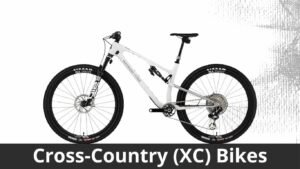
Cross-country XC bikes are good for those bikers who want to cover longer climbs or routes.
They are specifically designed for speed and distance. They have a lightweight frame and less suspension travel, which is around 100mm.
These bikes perform even best on smooth trails and climbs, but on rough terrains, they are not really as good as trail bikes and other bikes.
If you are looking for a longer-route bike or for racing, then you can look for bike models like Specialized Epic or Cannondale Scalpel.
Best for: They are best for long-distance rides, climbs, and races on smoother trails.
Pro tip: In this category, you can also have hard trail XC bikes, which come without rear suspension as they are lighter than cross-country XC bikes and a little faster on climbs as well. Our Specialized Chisel vs Epic Hardtail comparison shows how two of the best-known ones differ.
Downcountry bikes sit between XC and trail bikes. They have roughly 110 to 130 mm of travel, so they stay light and quick on climbs like an XC bike but handle rougher descents better. It is not an official category, so shops may list them as either XC or trail.
-
Downhill Bikes: Built for Gravity
Downhill bikes, as the name suggests, are designed for aggressive riding, especially downhill.
They come with a massive suspension travel, which is around 200 mm, or even more, which absorbs drop, jump, and rocky descents’ impact.
Besides this, they are heavy and tougher, which is best for gravity-fed trails.
If you are an aggressive rider who wants to ride on technical terrains and also other types of terrain, then you can look for models like Canyon Sender or Trek Session.
Best for: It’s a good choice for downhill trails, bike parks, and big jumps, etc.
Pro tip: Do not expect that you can easily climb with these giant bikes, as they are built for descending, so you have to use a lift service to enjoy riding on these bikes.
As they are heavier, it will take too much energy to climb this bike.
Also read: Full-Suspension vs. Hardtail: Which Mountain Bike is the Best?
-
Enduro Bikes: Versatility with an Edge
Enduro bikes are quite similar to trail bikes, but they are specifically designed for a slightly more aggressive riding style as they come with suspension travel ranging from 150mm to 180mm.
These bikes perform better on climbing, technical trails, and also descending like a downhill bike.
As we discussed above, it’s a mix of trail bikes and downhill bikes.
You can look for models like the Yeti SB150 and Specialized Enduro. They are some of the top bikes in the Enduro bike category.
Best for: These types of bikes are good for advanced riders who want to tackle steep climbs and technical descents.
Pro tip: They are a little heavier than trail bikes and lighter than downhill bikes, so make sure you’re prepared to work a bit hard while climbing.
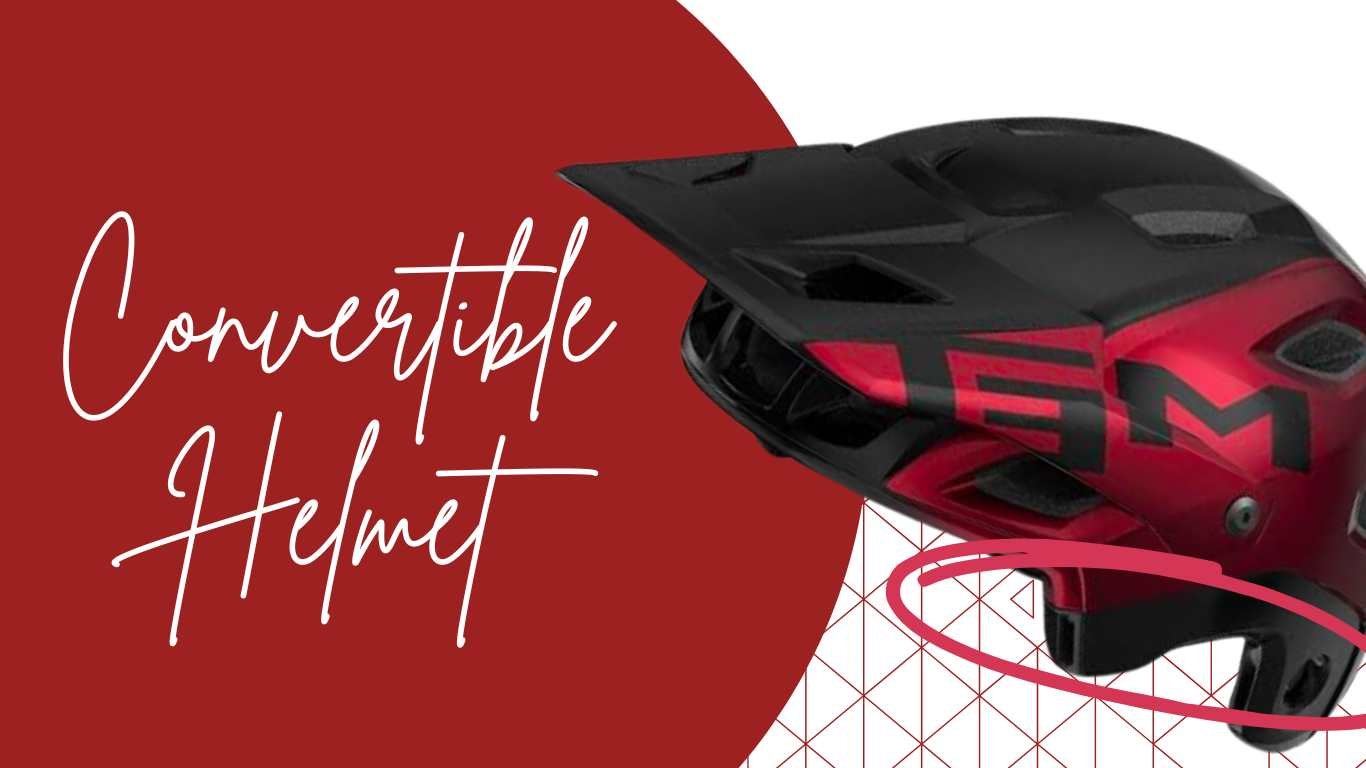
Also read: Guide to buy a Mountain Bike Helmet
-
Fat Bikes: For Extreme Conditions
The fat bike comes with a thick tire, which is typically around 4 inches or even wider. They are good for riding in snow, sand, mud, and other loose terrains.
But they are not fast or agile bikes for regular road riding.
You can look for mountain bike brands like Salsa and Surly. They make some of the best fat bikes.
Best for: Riding in snow, sand, mud, or any other loose terrain.
Pro tip: You want to adjust tire pressure to ride in soft conditions. But ensure that you do not lower too much pressure so that it becomes hard to ride. Many riders run roughly 5 to 10 psi on snow and sand.
Also read: How to fix Flat tire of your MTB?
-
Hardtail Mountain Bikes: Back to Basics
Hardtail bikes are lightweight and low maintenance. They come with a front suspension only.
More importantly, they are more affordable than other bikes, like trail bikes and downhill bikes. And they perform better on smoother trails.
You can look for mountain bike models like the Giant Talon or Trek Marlin. They are popular ones, and you can read our Trek Marlin 5 Gen 3 review to see what a hardtail gives you at around $850.
Best for: These Bikes are best for beginner bike riders. Especially those who are more into cross-country trails rather than downhill or any other types.
Pro tip: If you also want to ride this bike on the descent, then you can pair it with a dropper post to add more versatility.
-
Electric Mountain Bikes (E-MTBs): Boost Your Ride
E-MTBs have changed a lot of things in the mountain biking industry as they come with a motor-assistant pedal system, which makes it easier to climb on trails.
And they help you cover more distance on the ground without getting tired quickly. But they are more expensive.
Besides this, they are also available in different styles, like trail bikes and downhill bikes.
You can get anyone who suits you. You can look for popular models like Specialized Turbo Levo and Trek Rail.
Best for: It is good for those riders who like to ride downhill but don’t like climbing.
A pro tip: You always want to check local trail rules because some places do not even allow E-MTBs. In the US, most e-MTBs are Class 1, which means the motor assist cuts out at 20 mph, and many trail systems allow only that class.
E-MTBs have changed a lot in the mountain industry, and they’re good for a reason.
-
Freeride Bikes: Built for Creativity
Freeride bikes are designed to hit big jumps and pull off some tricks. So, if you want to perform stunts in the air, you can have this bike.
They are quite similar to downhill bikes, but not exactly similar. They are a little more versatile as compared to them.
Freeride bikes allow you to get more creative on trails, as they are lightweight and can handle abuse very well.
You can look for models like the Commencal Clash or Transition TR11.
Best for: They are good for jumping, tricks, and gravity-fed trails.
Pro tips: If you want to have this bike, make sure you are buying one that is designed to handle more abuse because there are different types of bikes in this category.
-
All-Mountain Bikes: Trail Plus
All mountain bikes are similar to trail bikes, which we discussed before, but they perform better on rough terrain than trail bikes, which makes them a suitable choice for riders who want to tackle rough trails but don’t want to get into full enduro biking.
You can use it on rocky trails as well. They usually have about 140 mm to 160 mm of travel, and they are more versatile and slightly bulky.
Best for: These types of mountain bikes are good for technical trails and rugged terrain.
Pro tip: You can upgrade this bike’s tire with a wider tire to add more grip on rocky sections.
-
Single-Speed Mountain Bikes: Minimalist Fun
Single-speed mountain bikes are very simple and traditional. They don’t have a gear system. So, they will run as fast as you pedal.
The good thing about single-speed bikes is that they are easy to maintain and lightweight. Plus, they are not expensive compared to other bikes, which we discussed before.
So, if you are looking for something different, like old fashion, and you love fun challenges, then you can have this bike for simplicity.
Best for: It’s a good bike for riders who enjoy challenges and want to have a simple bike.
Pro Tip: You want to stick to flatter trails until you are ready for serious trails.
Final Thoughts
When you want to pick the right type of MTB, you first have to decide what your riding style is and what type of terrain you want to tackle with your bike.
For example, if you want to ride on snowy paths, then you will need a fat bike.
If you want to ride on technical descents, then you will need an enduro bike, or if you want to ride on local trails, then you can look for hardtail bikes.
If you are not sure what type of bike you should have, then I suggest you go with a trail bike. If you are still shopping, our guide to buying your first mountain bike covers size, budget and components.
The trail bike is an all-rounder that can perform everywhere in local trails or technical trails; it doesn’t matter, even on a regular road or off-road; it is good everywhere.



[…] Tip: There are many types of mountain bikes, and many of them are expensive too; that’s why I recommend you take your bike’s […]