Disclosure: This post may contain affiliate links. As an Amazon Associate I earn from qualifying purchases.
The Trek Marlin 6 Generation 3, from 2023 to 2026, doesn’t come with an air fork. Trek fitted it with a coil-sprung RockShox Judy fork that has preload adjustment and TurnKey lockout.
So, this is what you get. There’s no way to adjust the spring to match your weight, no rebound adjustment, etc. And there are a few other limitations as well.
So, in this post, we’ll talk about the best Trek Marlin 6 upgrades for 2026.
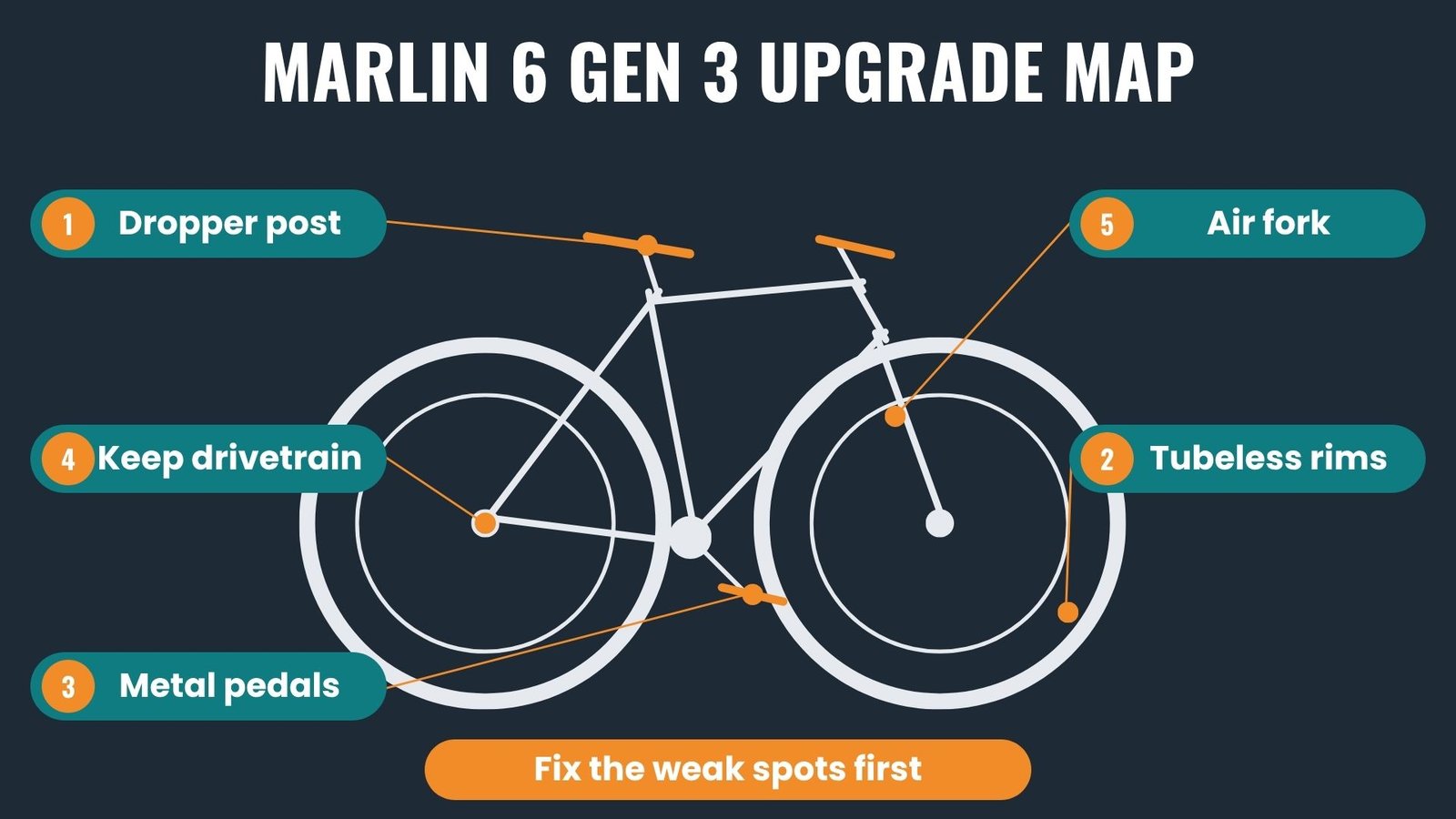
What you do first depends on which year’s bike you have, because they all start from a little different place:
| Year | Fork | Dropper | Brakes | Rims and Tires |
|---|---|---|---|---|
| 2023 | SR Suntour XCT 30 coil | None | Tektro HD-M275 hydraulic | Connection rims, wire-bead Bontrager tires |
| 2024 to 2025 | RockShox Judy coil | None | Tektro HD-M275 hydraulic | Kovee tubeless-ready rims, Maxxis tubeless-ready tires |
| 2026 | RockShox Judy coil | TranzX JD-YSI34 | Shimano MT200 hydraulic | Kovee tubeless-ready rims, Maxxis Rekon Race TLR |
If you have a 2023, 2024, or 2025 model, you’ll need to consider the dropper post, which I would recommend upgrading. We’ll talk about that as well.
Add a 31.6mm Dropper to Your 2023 to 2025 Marlin 6
As I said, the 2023 and 2025 Marlin 6 Generation 3 models don’t come with a dropper post. But the good thing is that Trek has already provided internal routing in the frame. So, when you add a dropper post, the cable will run inside the frame without any external cable hanging outside.
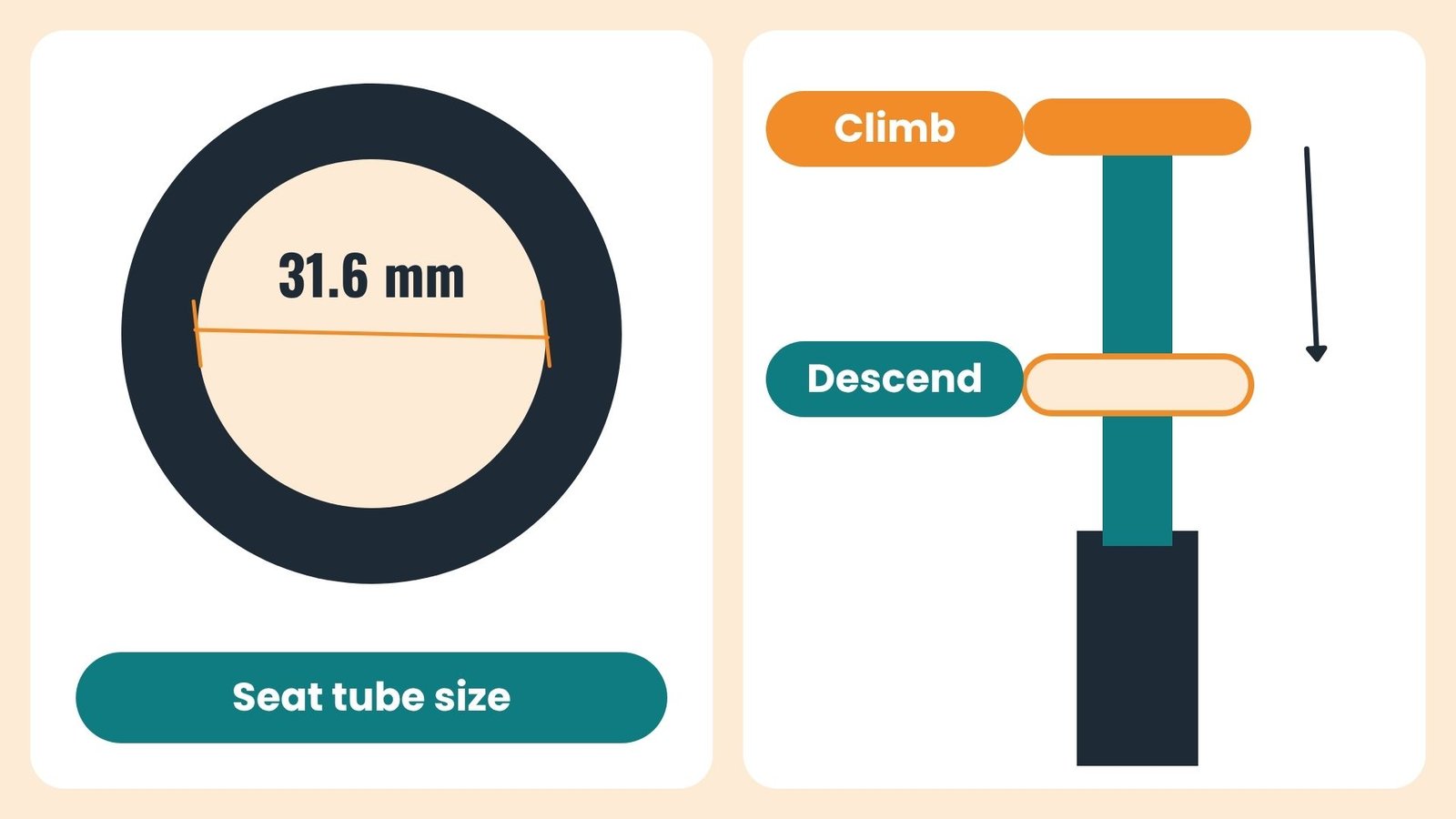
One thing you need to remember is that the seat tube diameter is 31.6 mm across every Generation 3 size, and the travel depends on the frame size: 100 mm for XS and S, 125 mm for M, and 150 mm for ML and XL.
This is important because choosing the wrong travel will be a mistake. People often order from Universal without checking their frame size and end up getting the wrong one. So, I want you to confirm this before buying.
As for the dropper post itself, I would consider these two options:
- TranzX JD-YSI34: Trek actually put this same post on the 2026 Marlin 6 from the factory, so we know it works with the bike. The remote drops well, it holds position, and it does what a dropper should do. However, It’s not easy to service at home, but for most riders that’s not going to be an issue.
- PNW Coast (around $130 to $160): The remote action is better than the TranzX, and the nice thing is it’s fully serviceable at home without any special tools.
TranzX JD-YSI34 Dropper Post 31.6mm
The same dropper Trek fits to the 2026 Marlin 6. Basic remote, not easy to service at home.
PNW Coast Dropper Post 31.6mm (120mm, Internal)
Better remote action and fully serviceable at home. Internal routing for the Gen 3 frame.
Convert the 2024 to 2026 Kovee Rims Tubeless
You know, when we have an inner tube inside the tire, there’s a limit to how low we can run the tire pressure. Usually, it’s around 28 to 35 PSI for most tires on a 29-inch wheel. If you go lower than that, the tube can get pinched between the rim and a sharp edge, which can cause a flat.
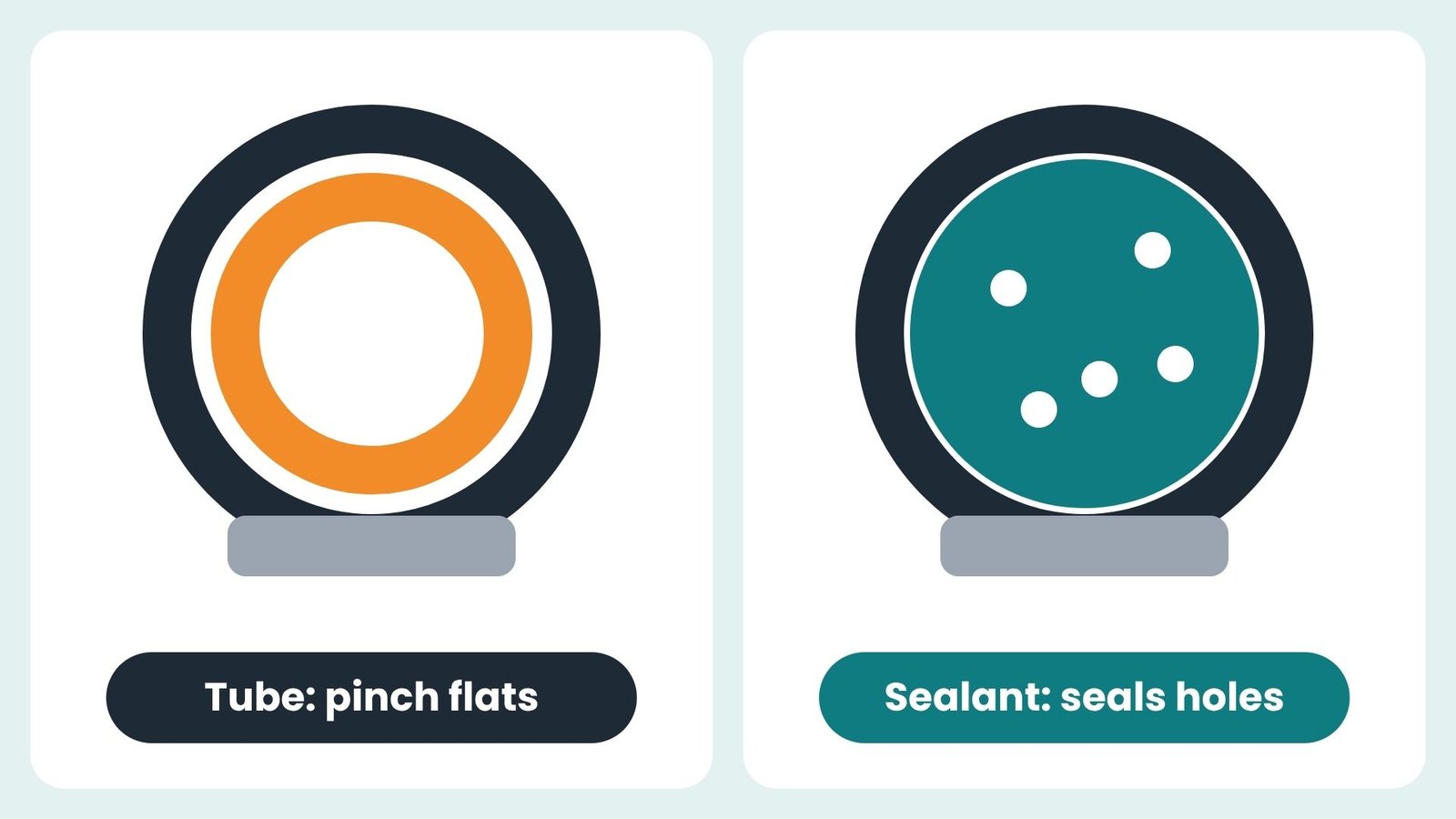
That’s why I recommend switching to tubeless tires on the Marlin 6 Gen 3. They use sealant that can seal most small punctures. Also, when you lower the front tire pressure to 22 to 26 PSI on rough terrain, you won’t have to worry about pinch flats.
There are several other benefits of tubeless tires, but I won’t go into all of them here. The good thing is that you can consider this upgrade.
However, there’s one thing I want to point out. The 2024 and 2025 models come with tubeless-ready rims, and the stock tires are compatible, so you’re good there. In the 2026 model, Trek hasn’t included TLR rim strips in the specifications, so you should check exactly what you’re getting before buying.
Here are my two recommendations for switching to a tubeless setup.
Stan’s NoTubes Race Sealant (1000ml)
Tubeless sealant that seals small punctures and lets you run lower pressure.
Tubeless Presta Valve Stems
Tubeless valve stems for converting your rims.
Replace the VP-536 Nylon Pedals With Metal-Pin Flats
The Marlin 6 comes with VP-536 nylon pedals, which are decent. But if you mostly ride in wet conditions rather than dry trails, you’ll need better grip.
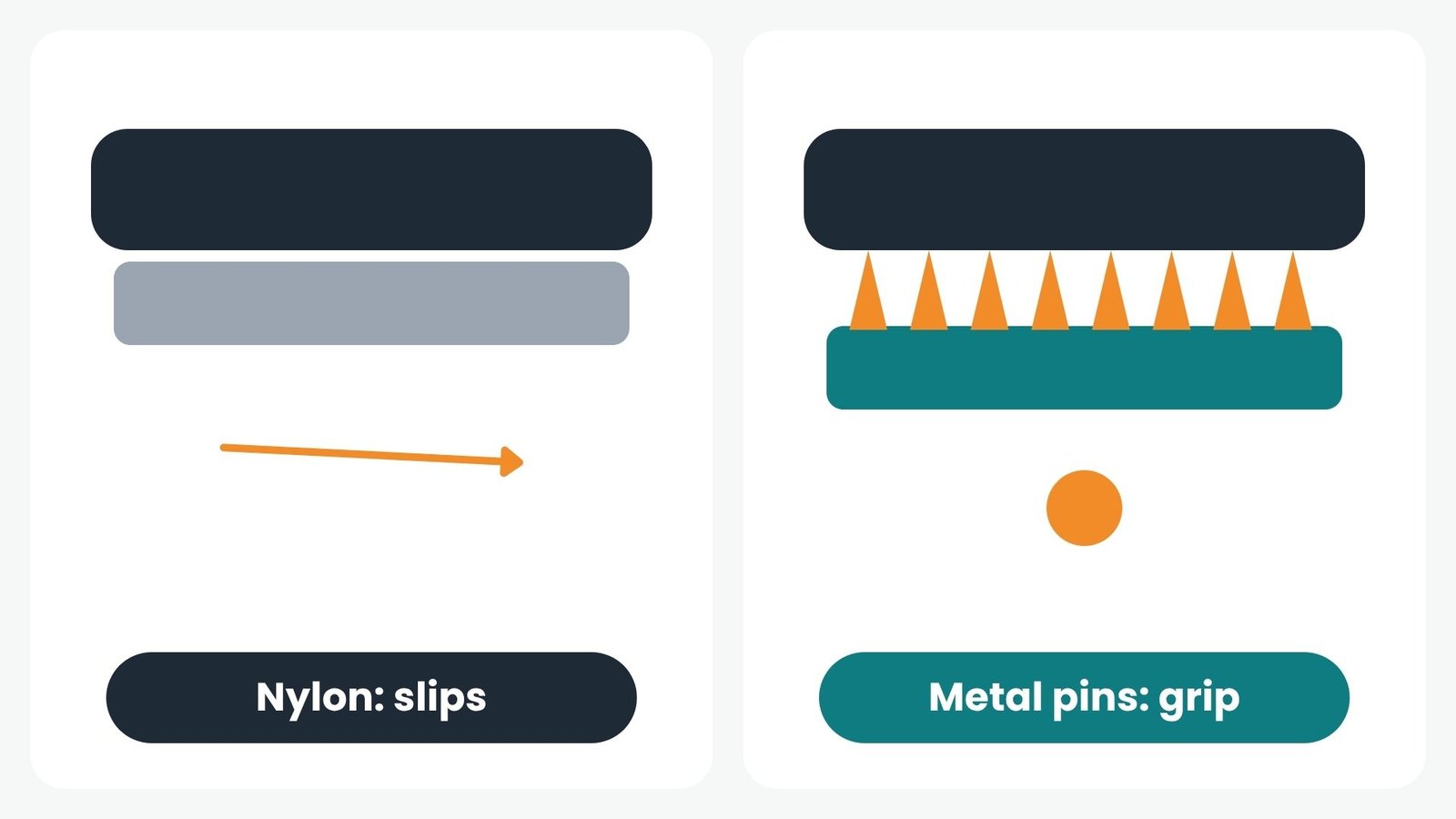
Nylon flexes a little under load, and the grip pins are also soft. So, when you hit a wet trail or a steep section, your foot or shoe can move around on the pedal. That’s a problem you’ll want to fix.
That’s why you should go for pedals with metal pins and a composite or alloy platform. They won’t flex, compress, or wear down like nylon pedals, so your feet will stay in place.
Here are my two recommendations. I’m choosing OneUp composite pedals as they’re affordable and wider than the VP-536. It also has replaceable pins, so you can replace them when they wear out. The grip is much better than nylon pedals.
And if you want a fully alloy pedal with sharper pins, I’m giving you a second option. I recommend the Crankbrothers Stamp 1 or Deity Tmac.
Both are affordable, so you can choose either one. If I had to pick one, I’d go with the second option.
OneUp Components Composite Pedals (Black)
Large platform with metal pins to keep your feet planted on rough trails.
Crankbrothers Stamp 1 Pedals (Small, Black)
Slim, grippy flat pedals with a concave platform.
Replace the Coil Judy With a RockShox Judy Silver TK Solo Air
When you’re mountain biking, you hit roots and rocks, and because of the impact, the fork compresses, and then the spring pushes it back. On very smooth terrain, you won’t notice it much. But as I said, on roots and rocks, you’ll feel the fork through your hands. So, it’s a problem you should consider fixing.
The fork has a coil spring inside, but it’s designed for a certain weight range and may not match your weight very specifically.
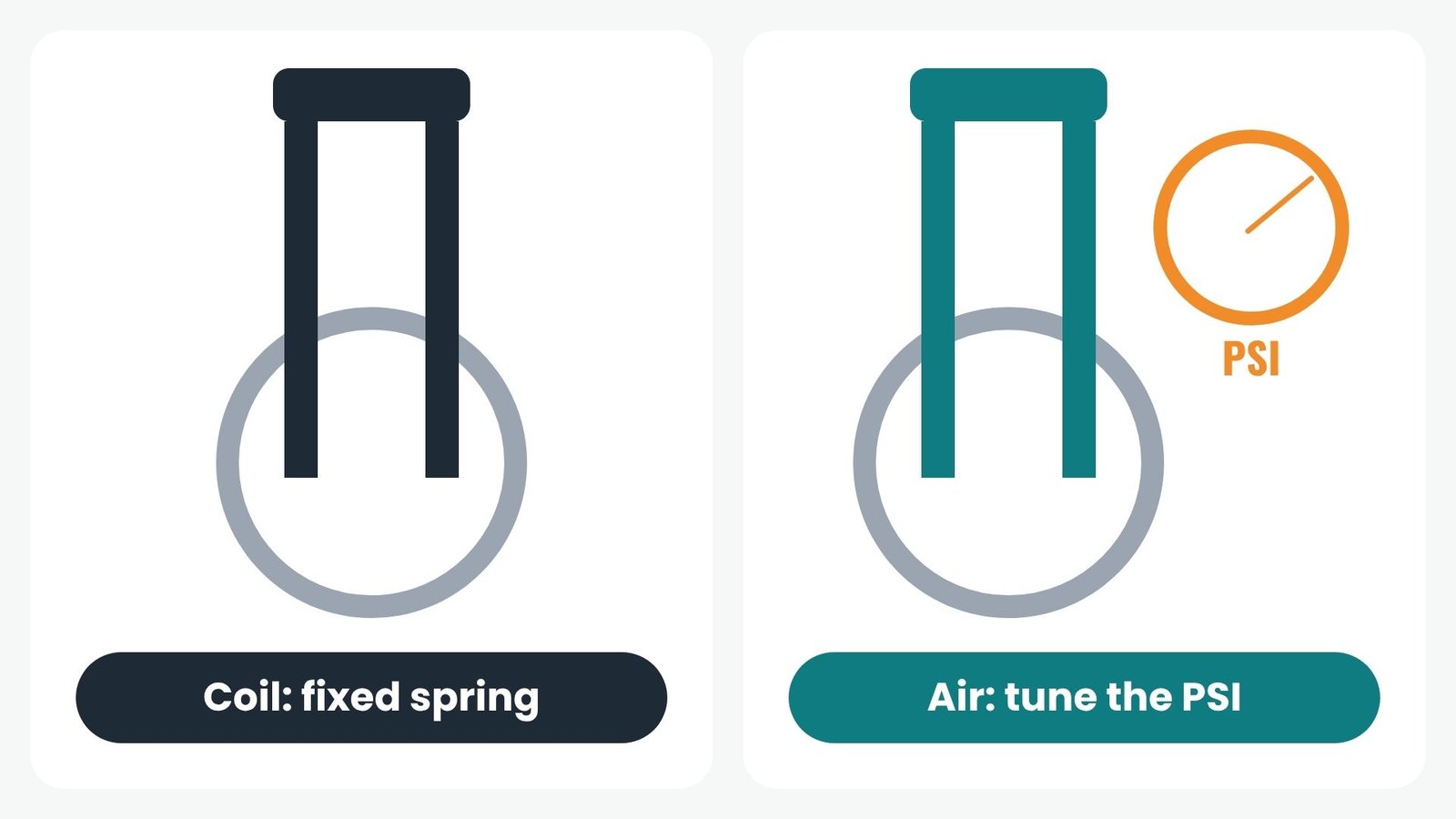
Before recommending an upgrade, I would suggest riding the bike first and noticing how the fork performs. If you’re comfortable with it, then don’t upgrade. But remember that if you’re lighter than the weight range Trek has designed it for, the fork will barely move, and you’ll feel every impact through your hands. If you’re heavier, it will dive and bottom out on hard hits. And you can’t adjust either of these issues.
However, I won’t go into too much detail here. You can upgrade the fork, but before doing so, I want to point out one thing. The Marlin 6 Gen 3 has a 1-1/8-inch semi-integrated head tube and a 9×100 mm quick-release front axle.
Most modern forks have a tapered steerer with Boost 15×110 mm thru-axle spacing. So, they won’t fit your bike frame without a headset converter and a new front wheel.
You specifically need a straight-steerer 9×100 mm QR fork.
My two picks:
- RockShox Judy Silver TK Solo Air: You’ll find the same fork on the Marlin 7. It comes with an air spring that you can tune according to your needs using a shock pump. It also has external rebound adjustment, so the fork can track rough terrain instead of kicking back at you. And it has a TurnKey hydraulic lockout for climbing. So, it’s the most natural step up from a coil fork, and if you have a Marlin 6, I would recommend going with this option.
- RockShox Recon Silver RL: It has 32 mm stanchions instead of the Judy’s 30 mm. These thicker stanchions provide better lateral stiffness, so when you brake hard into a corner, the fork can handle the twisting load better.
RockShox Judy Silver TK Solo Air 29 100mm Fork
Air-spring 29er fork with 30mm stanchions. Needs a straight steerer and 9×100 axle.
RockShox Recon Silver RL 29 100mm Fork
32mm stanchions, straight steerer, 9×100 mm quick release, 51 mm offset.
By the way, one thing I want to point out is that most aftermarket 29er straight-steerer QR forks come with a 51 mm offset, while the stock Marlin 6 fork has a 46 mm offset.
I also want to clarify something about another fork you’ll see quite often: the RockShox Judy Gold RL. You’ll find it listed almost everywhere.
However, to fit it on the Marlin 6, you would need a headset conversion and a new front wheel. So, you shouldn’t order this fork unless you’ve specifically confirmed that it’s the straight-steerer 9 mm QR version.
If You Haven’t Bought Yet, Run the Marlin 7 Numbers Before You Decide
So, the Trek Marlin 7 is costing you around $1,400 in 2026. On the other hand, the Marlin 6 costs around $900 to $1,000. So, there’s a difference of approximately $400 between the two. However, let’s compare what extra features you get for that additional $400:
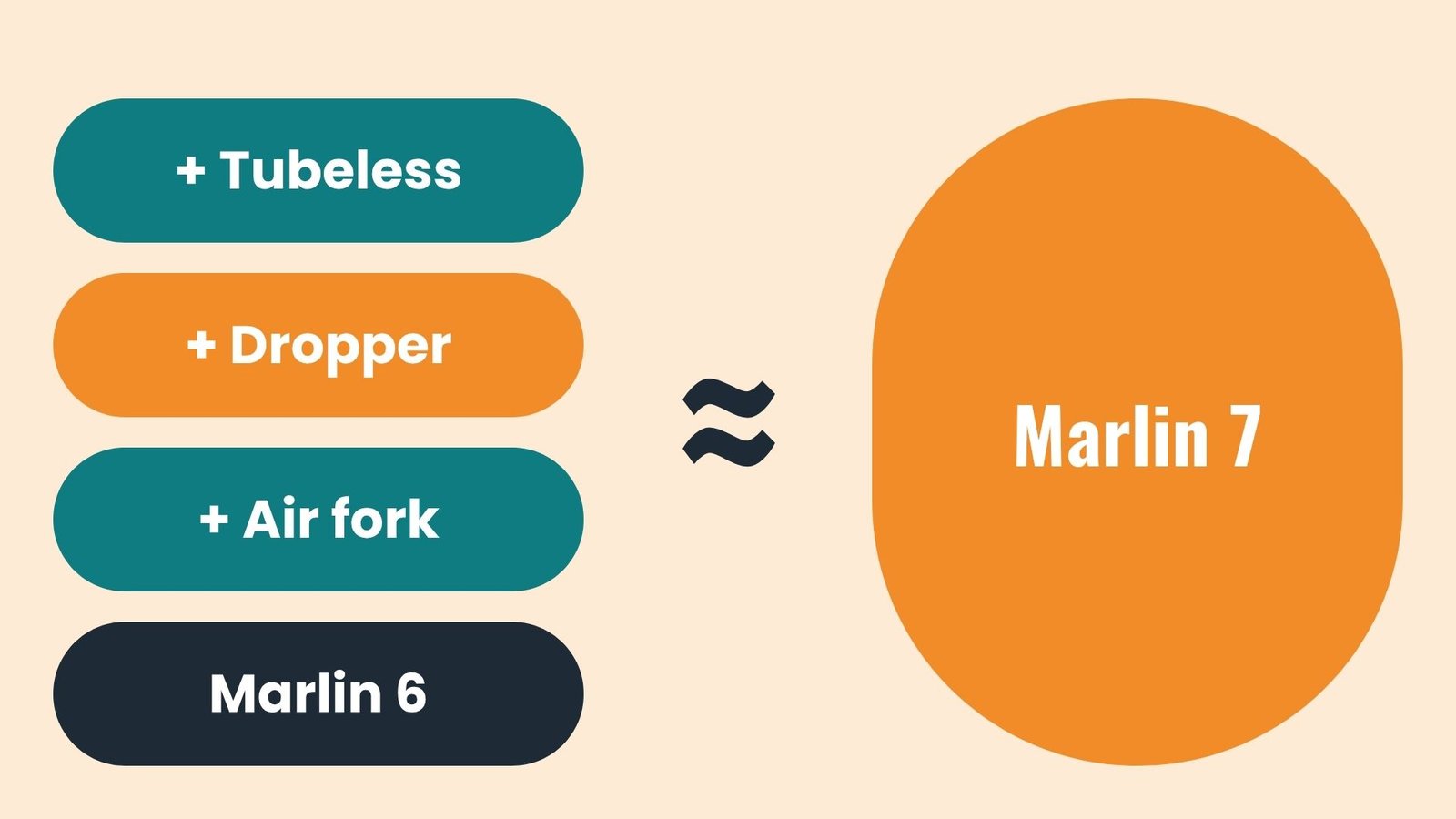
- RockShox Judy Silver TK Solo Air already on the bike from Trek, with rebound adjustment dialed in
- 12-speed SRAM Eagle drivetrain instead of 10-speed CUES
- 1.87 lb lighter at size M (31.2 lb vs 33.07 lb per Trek dealer weights)
- Same brakes, same dropper, same wheels as the 2026 Marlin 6
Now you can calculate it yourself. The RockShox Judy Silver TK Solo Air will cost you more than $200. Plus, you’ll also have to pay extra for installation labor if you don’t want to install it yourself.
Roughly speaking, you’ll end up spending around $400. So, instead of putting that much money into the Marlin 6, buying the Trek Marlin 7 would be a better option.
In fact, if you already have a Trek Marlin 6, you can also consider selling it. If you want, you can first check its value using a Mountain Bike Value Estimator, then sell it and get the Marlin 7.
Leave the CUES Drivetrain Alone and Skip the Shimano 12-Speed Attempt
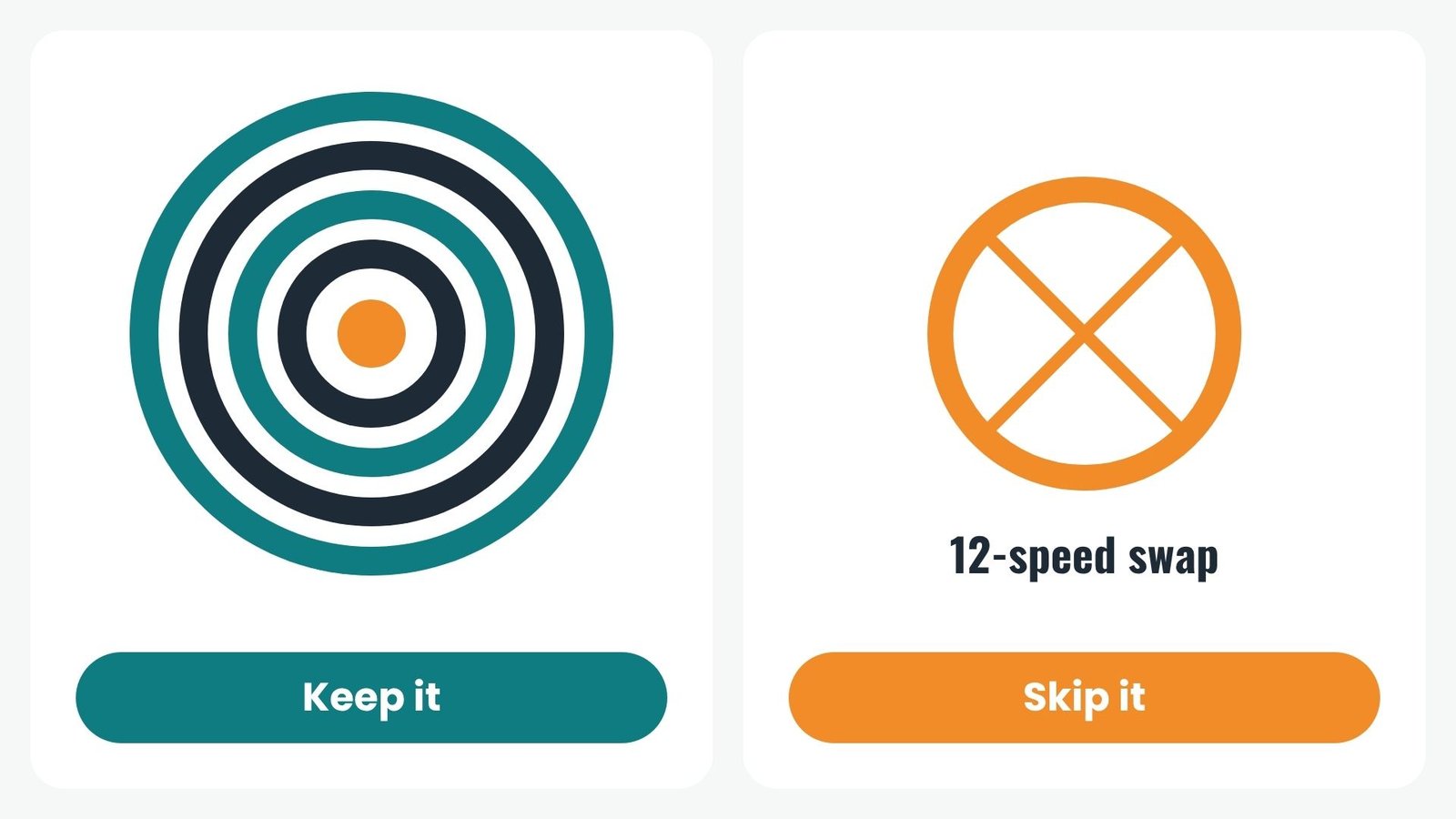
You don’t need to upgrade the drivetrain on the Marlin 6. You already have a Shimano CUES U6000 10-speed drivetrain on the Generation 3, which is one of the better things about this bike.
It shifts accurately and performs well. The 11-48 cassette range handles speed and climbing well without big jumps between gears.
Besides this, you also have a Linkglide chain, which lasts longer under rough conditions than a standard chain.
So, I wouldn’t recommend spending money on these components. When parts wear out, you can simply replace them with CUES-compatible components.
And if you’re thinking about upgrading to 12-speed, there’s a compatibility issue. Look, the Formula DC-22 rear hub has an HG freehub body, which accepts Shimano HG cassettes up to 10-speed.
It won’t fit Shimano’s 12-speed cassette because those use a Micro Spline freehub body, which has a completely different interface. So, if you buy a Shimano 12-speed cassette for this hub, it simply won’t fit, and you’ll waste your money.
The same applies to the wheels. You have Bontrager Kovee rims, which are good, and the front axle is 9 mm QR, and the rear is 135×5 mm QR. These are standard specifications, so they won’t transfer to a future bike with Boost spacing.
FAQ
Does the Marlin 6 Gen 3 have an air fork?
No. Between 2023 and 2026, the Generation 3 Marlin 6 comes with a coil fork, not an air fork. In 2023, it had the SR Suntour XCM 30, while the 2024 to 2026 models come with the RockShox Judy Coil.
What fork actually fits the Marlin 6 Gen 3?
We need a straight 1-1/8-inch steerer and a 9x100mm quick-release front axle. Almost everything at retail today is tapered with Boost 15mm thru-axle spacing, and those don’t fit without adapters and a new front wheel.
The RockShox Judy Silver TK Solo Air and Recon Silver RL both fit and are the two I’d actually recommend.
Does the 2026 Marlin 6 Gen 3 come with a dropper post?
Yes, the 2026 Marlin 6 Gen 3 comes with the TranzX JD-YSI34 dropper post as standard. The 2023, 2024, and 2025 Gen 3 models didn’t come with a dropper post, but the frame has had built-in internal routing for one since 2023.
What dropper post fits the Marlin 6 Gen 3?
You can go for a 31.6mm diameter with internal routing. Trek specifies 100mm travel for XS and S, 125mm for M, and 150mm for ML and XL.
Can the Marlin 6 Gen 3 go tubeless?
Yes, of course. If you have a 2024 model or newer, it comes with Kovee rims that are tubeless-ready, and the Maxxis tires are compatible with them. And if you have the 2026 model, you also get TLR rim strips.
Can we put Shimano 12-speed on a Marlin 6 Gen 3?
Not on the stock hub, because the DC-22 freehub is HG, which accepts Shimano HG up to 10-speed and SRAM Eagle PG-1210.
Shimano 12-speed needs a Microspline freehub body, which is a different interface.
So for a Shimano 12-speed setup, you will need a new rear hub or rear wheel.
Is the Marlin 7 worth $400 more than the Marlin 6?
100% yes, if you haven’t bought the bike yet and are still deciding which one to buy. I wouldn’t recommend buying the Marlin 6 and then spending another $300, $400, or $500 on upgrades.
Instead, I would recommend increasing your budget by $400 and going for the Marlin 7. You’ll already get many components that you won’t need to upgrade.
Will the RockShox Judy Gold RL fit the Marlin 6 Gen 3?
Do not get the RockShox Judy Gold RL. It will not fit your Marlin 6 Gen 3. The retail versions come with a tapered steerer and Boost spacing.
To fit one on this frame, you would need a headset conversion and a new front wheel, in addition to the fork itself.
So, unless you find a confirmed straight-steerer, 9 mm QR version in stock, please don’t buy the Judy Gold RL.
Are the stock brakes worth upgrading?
Actually, yes, because they are good for most riders and most types of terrain. The RT26 rotors that come stock are designed for resin pads only.
So, if you want to use sintered pads for better heat resistance on long, steep descents, you’ll need to replace the rotors with RT64 or RT66 at the same time.
And brakes are not the first place I would recommend spending money on this bike.