
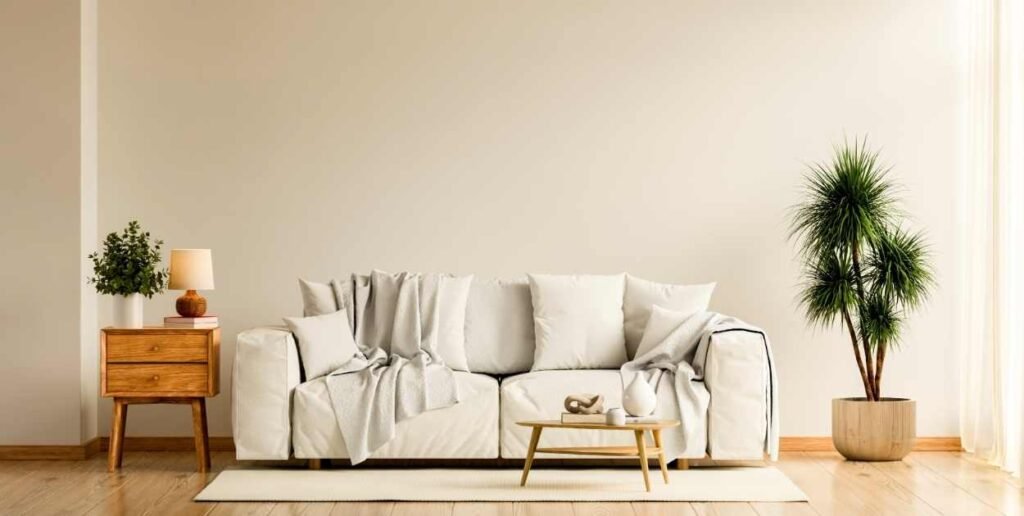
You’ve got the sofa, coffee table, TV unit, a rug, some curtains.
And still, every time you walk into the living room, something feels off, not bad exactly, just not done.
Like the room is still waiting for something you haven’t figured out yet.
This is one of the most common things people bring up in home decor communities, and it has a name: the furnished-but-unfinished problem.
What’s usually missing isn’t more stuff. It’s 7 specific things that most people never think to add because they’re not obvious in the same way a sofa or a coffee table is.
Interior designers know to put these in almost automatically, here’s what they are and how to add them without spending a lot.
Why a “Finished” Room Feels Different From a “Furnished” One
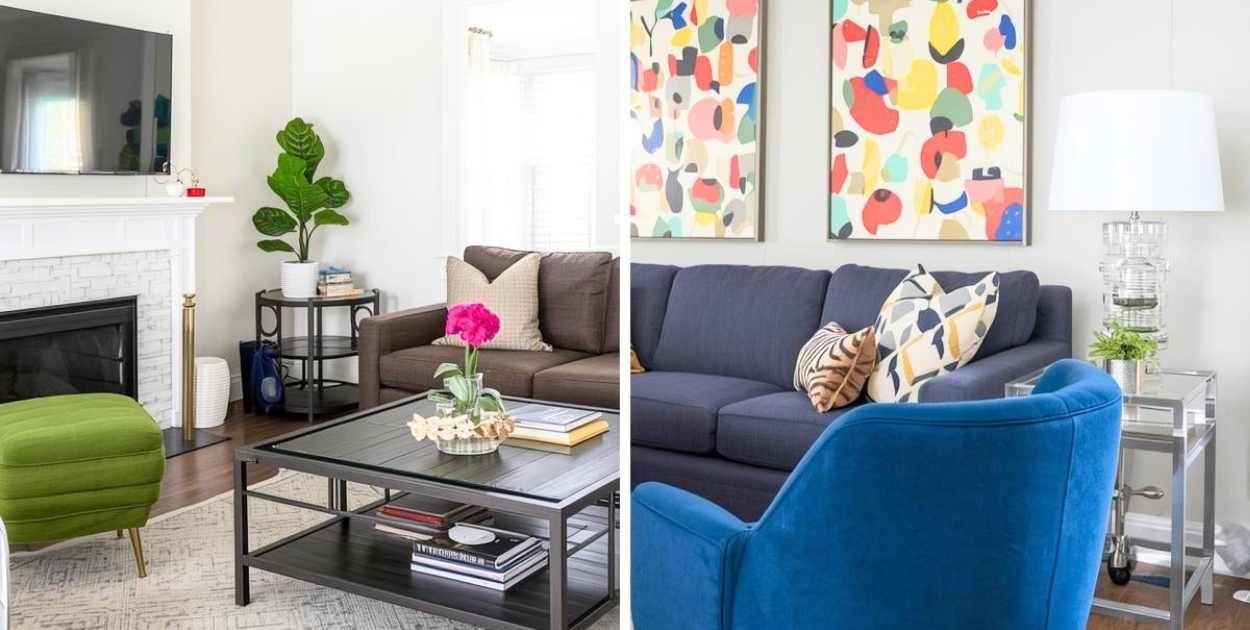
A finished room has the things that make it feel intentional, like the gap is smaller than it sounds but it makes a big difference in how the space actually feels to be in.
- Finished rooms have a focal point your eye goes to first.
- They have warmth, which usually comes from light and living things.
They have a clear sense of what connects everything, even if you can’t name it immediately.
And they have at least one surface or wall that looks like someone thought about it.
None of this requires expensive furniture or a renovation. It requires knowing what’s missing. So let’s go through it.
#1 A Focal Point the Room Revolves Around
Every room that feels finished has one thing your eye goes to first when you walk in.
In some rooms it’s a fireplace, a large piece of art, a well-styled console, or even a statement plant in a corner.
Rooms without a focal point feel scattered, your eye doesn’t know where to land so it jumps around and settles on nothing.
That unsettled feeling is what people describe when they say a room looks “random” or like things are just placed anywhere.
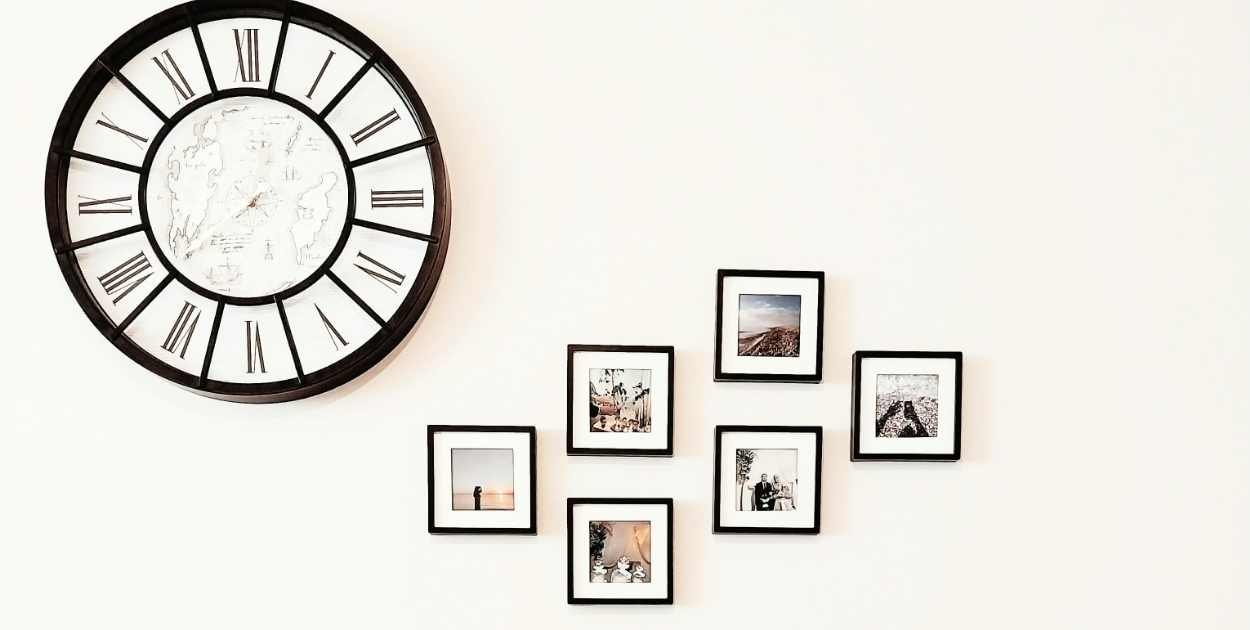
The easiest way to create a focal point in a living room that doesn’t have one: pick the wall your sofa faces, or the wall most visible from the doorway, and do something deliberate on it.
A large framed print, a cluster of frames, a floating shelf with a few styled objects, or a large mirror.
One anchor point on that wall and the whole room reorganizes itself around it visually.
It doesn’t have to be expensive, a single large art print in a clean frame does the job well.
See this:

#2 A Rug That’s Big Enough to Do Its Job

A rug that’s too small is worse than no rug.
This sounds counterintuitive but it’s true: a small rug sitting in the middle of a seating area, not touching any furniture, reads like a mistake.
Like someone tried to add a rug and got the size wrong.
The right size rug anchors the seating area and gives the room a foundation.
The guideline designers use: all four legs of the sofa on the rug, or at minimum the front two.
The rug should be large enough that the seating area feels like it’s sharing one surface, not floating separately.
If you already have a rug and the room still feels unfinished, check the size first.
A 5×7 in a room that needs a 6×9 is often the entire problem.
The fix is just going up one size.
For budget options, a flatweave, low-pile, or jute rug in a neutral tone holds up well and adds natural texture at the same time.
At a 6×9 size you can still find solid options under $80.
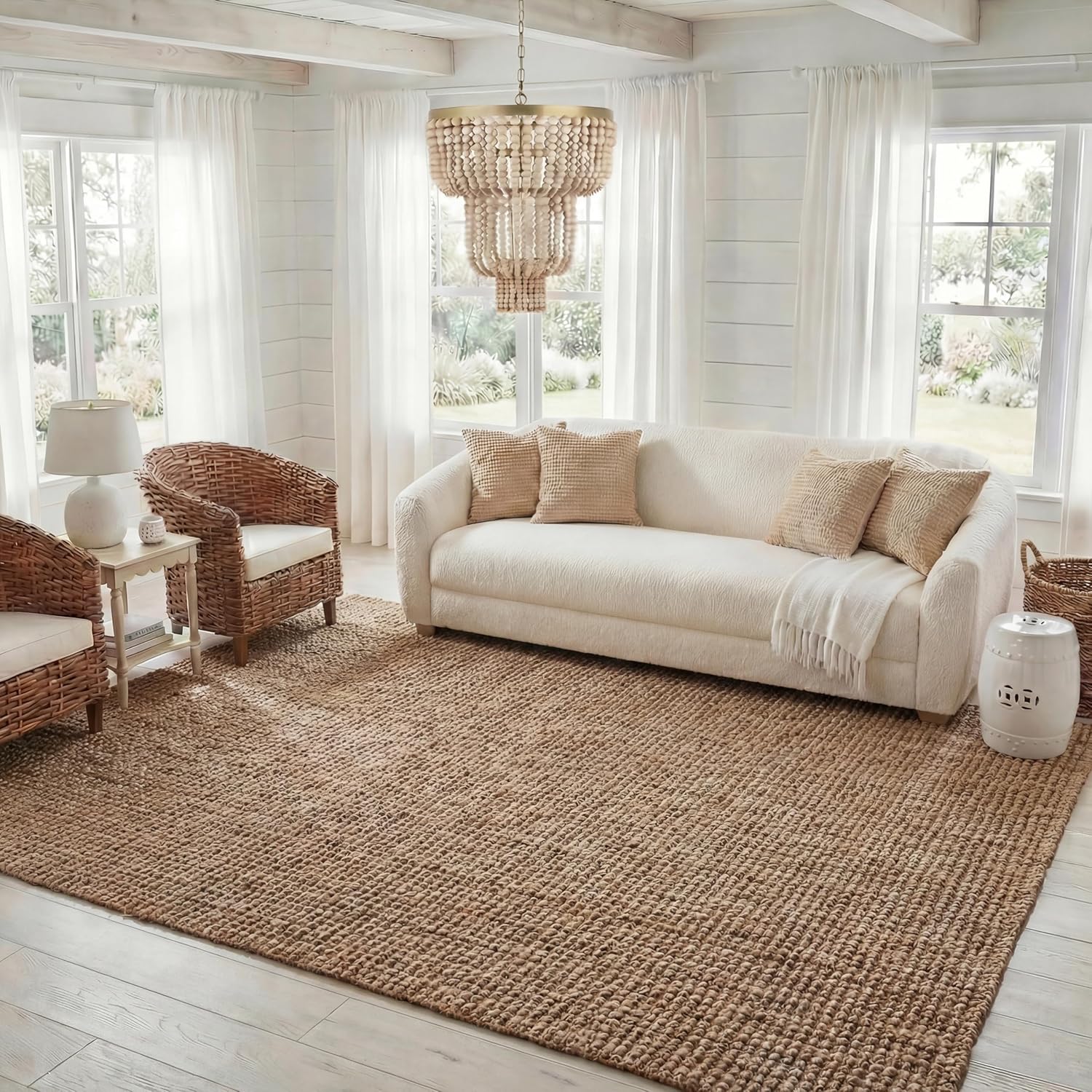
| Pro Tip: Stand in your living room and look at your rug. If all four sofa legs are floating off it, the rug is too small. Front legs on, back legs off is acceptable. All four legs off means the rug is actively working against the room. |
#3 Layered Light Instead of Just the Ceiling
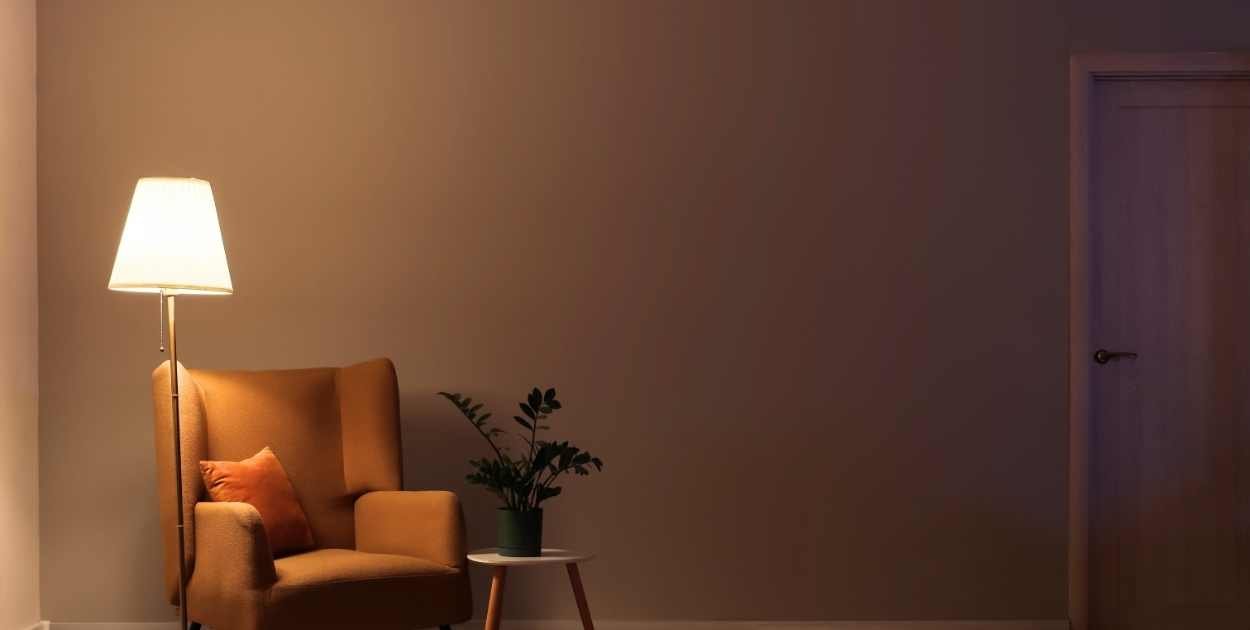
Overhead lighting is flat, It lights the room from one direction, creates sharp shadows, and strips the warmth out of everything.
It’s useful for tasks, but It’s not good for making a room feel cozy or finished.
What finished rooms always have is more than one light source at more than one height.
- A floor lamp in a corner.
- A table lamp on a side table.
- Maybe a string of warm lights along a shelf.
These lower sources create pools of warmth around the room that overhead lighting simply cannot produce.
The bulb matters as much as the lamp, look for bulbs between 2700K and 3000K, labeled warm white or soft white.
These produce that golden, amber-toned light you see in rooms that feel inviting.
Daylight bulbs at 5000K and above look clinical and cold in a living room, no matter how nice the lamp is.
Start with one floor lamp in the dimmest corner of the room.
Turn off the overhead light in the evening and notice what changes.

#4 Something Living: Plants Do What No Object Can
I’ll be direct about this one because it’s personal.
I have plants on my balcony, inside the house, and I’ve been growing my own herbs and vegetables for a while now. And the reason I keep adding more isn’t primarily aesthetic.
It’s that being around plants genuinely makes me feel calmer.
Closer to something real, less like I’m just sitting inside a box of furniture.
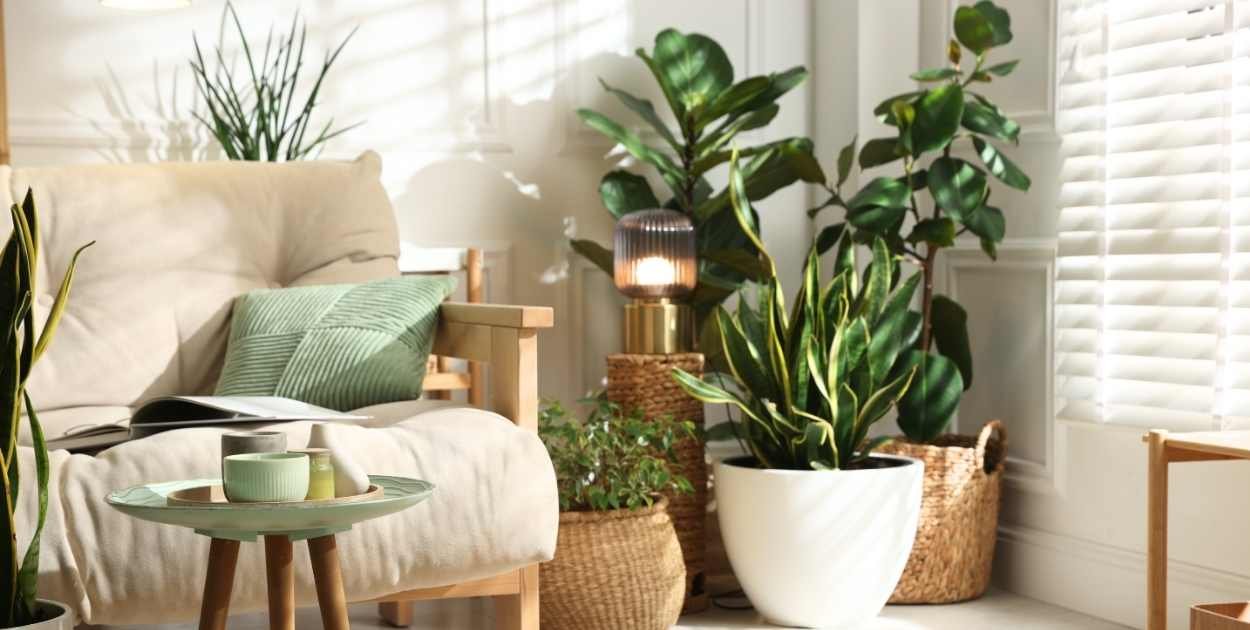
For a living room you don’t need a collection, one plant placed well is enough to change the feel of the room.
- A medium pothos or a snake plant in a corner that otherwise feels empty. A trailing plant on a shelf.
- A small herb pot near the seating area.
If you’re not confident with plants yet, start with a snake plant or a ZZ plant.
They handle low light, irregular watering, and general neglect far better than most varieties.

| Pro tip: You don’t have to spend on an expensive plant. A $4 pothos from a local nursery in a $10 ceramic pot looks better than a $40 synthetic plant. Real always reads differently. |
#5 At Least One Wall That’s Been Handled

Empty walls are the single most common complaint I see in home decor communities.
Someone posts a photo of their living room asking why it doesn’t feel finished, and nine times out of ten there’s a large empty wall staring back at you in the photo.
The floor is covered, the furniture is there, but the vertical space is completely untouched.
You don’t need to fill every wall. You need to handle at least one: ideally the main wall your sofa faces or the one most visible from the entrance.
A gallery wall of four to six matching frames, a single large print you already covered in piece one, or a large mirror that bounces light and makes the room feel bigger.
Mirrors do double work here.
They handle the wall and they make the room feel more open and light-filled at the same time.
For a small or dark living room, a large mirror is one of the most effective single purchases you can make. It adds no visual weight but it adds a lot of visual space.

#6 A Color That Repeats at Least Three Times
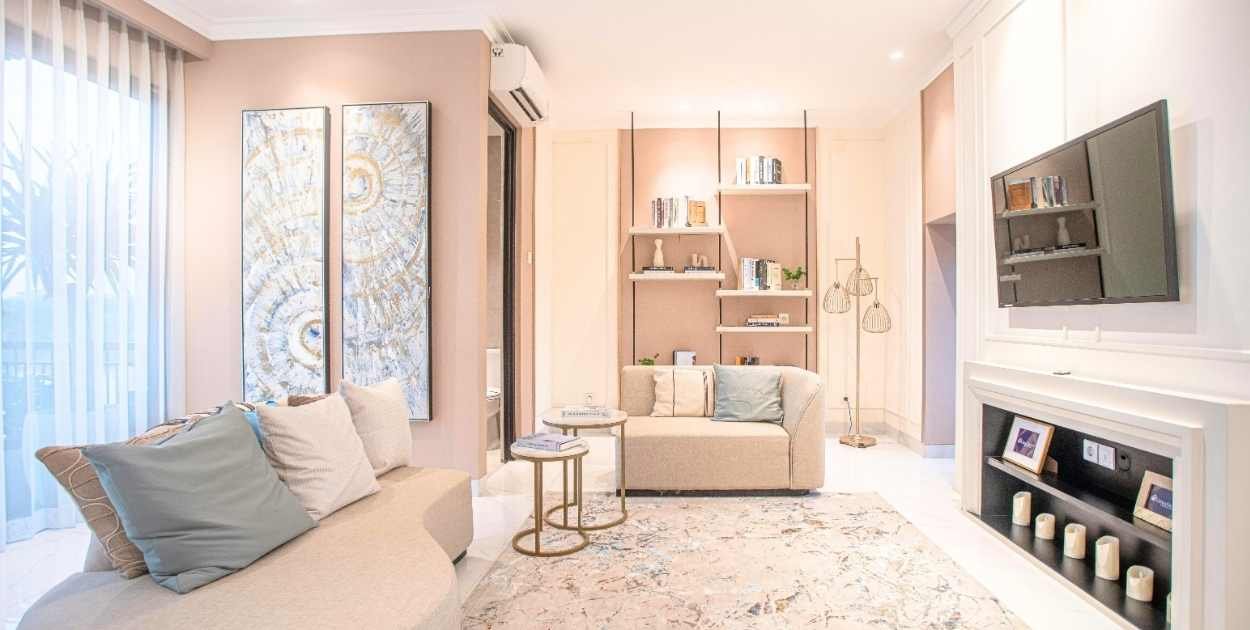
This is the fix for the “everything looks mismatched” problem.
And it’s the one most people never identify on their own because the problem looks like it’s about the furniture when it’s actually about color.
When a room looks random, when things don’t seem to go together even though each piece is fine on its own, it’s almost always because there’s no single color repeating across the space.
The sofa is one color, the rug is another, the curtains a third, the cushions a fourth. Nothing connects them so the eye sees separate objects instead of a composed room.
Designers solve this with one rule: pick one accent color and repeat it at least three times at different scales.
- A terracotta cushion on the sofa
- A small terracotta ceramic pot holding a plant in the corner
- A terracotta-toned candle or book on the shelf.
Three touches of the same color in different sizes and forms, and the room suddenly has a thread running through it that pulls everything together.

| Pick one color already in your room that you like. Now find or add two small things in that exact color: a candle, a pot, a book spine, a cushion cover. Three repeats of one color is what makes a room look composed instead of random. |
#7 One Surface That Looks Like Someone Thought About It

In every room that feels truly finished there’s at least one surface that looks like it was arranged on purpose.
Not crowded, decorated for decoration’s sake, just thoughtfully put together.
- A small tray on the coffee table with two or three objects sitting inside it.
- A plant next to a candle next to a book with an interesting cover facing out.
- A single ceramic bowl with a few smooth stones. It doesn’t matter what the objects are as long as they feel chosen.
A tray helps more than most people expect.
Without it, three objects on a coffee table look like things that were left there.
Inside a tray, those same three objects look styled.
The tray does the composition work for you by giving the objects a container and a boundary.

FAQs
What if my living room is small? Do these still apply?
Yes, and some of them matter more in a small room. A well-placed mirror makes a small room feel noticeably larger.
One plant adds life without taking floor space if you go vertical or use a shelf.
The color-repeat rule is especially useful in small rooms because it makes a limited number of objects feel cohesive instead of cramped.
I’m renting and can’t put holes in the walls. What do I do about the empty wall problem?
Large mirrors leaned against a wall look intentional and need no hardware. A tall leaning shelf handles both the empty wall and gives you display space.
Command strips can support lightweight frames in most rentals.
And a large floor plant near a wall adds enough visual presence that the bare surface behind it reads as a backdrop rather than emptiness.
What order should I tackle these in on a tight budget?
Start with the color repeat since it costs almost nothing and you’re mostly rearranging what you have.
Then the focal point, since one large frame is usually under $35.
Then lighting, which makes the biggest immediate difference to how the room feels after sunset.
Plants come after that since a good one from a local nursery plus a ceramic pot runs under $20. The rug and tray can come last as the budget allows.
My furniture is mismatched and from different styles. Will any of this actually help?
This is the exact situation where the color-repeat rule and the focal point make the most difference.
Mismatched furniture stops reading as mismatched when there’s a strong color thread running through the room and a clear visual anchor.
The style differences become secondary to the composition. It won’t look like everything matches but it will look intentional, which is honestly more interesting than a perfectly matched set.
How many plants are too many?
There’s no strict limit but the common mistake is spreading plants around without thinking about placement.
One well-chosen plant where the room actually needs it does more than six plants placed randomly.
Start with one, put it somewhere specific (a dead corner, a bare shelf, near the focal point wall), and see how the room responds before adding more.
Final Thoughts
A finished room is about having the right things in the right relationship to each other.
A focal point to orient the room, a rug that earns its place, light that adds warmth.
Something alive that no manufactured object can replace.
A handled wall, a connected color, and one surface that tells anyone who walks in that someone here made choices.
Most of these cost under $40, none of them require replacing your furniture.
And any two of them working together will make your living room feel more finished than it does right now.
Pick the one your room is most obviously missing and start there.
The rest tends to become clearer once one thing is right.

Abraham is the creator of Mountain Bike Insider. He is a writer and researcher who enjoys mountain biking, working on DIY projects, organizing spaces, and testing ideas in real life. He focuses on clear and honest explanations based on experience and research, without pretending to be a professional expert.