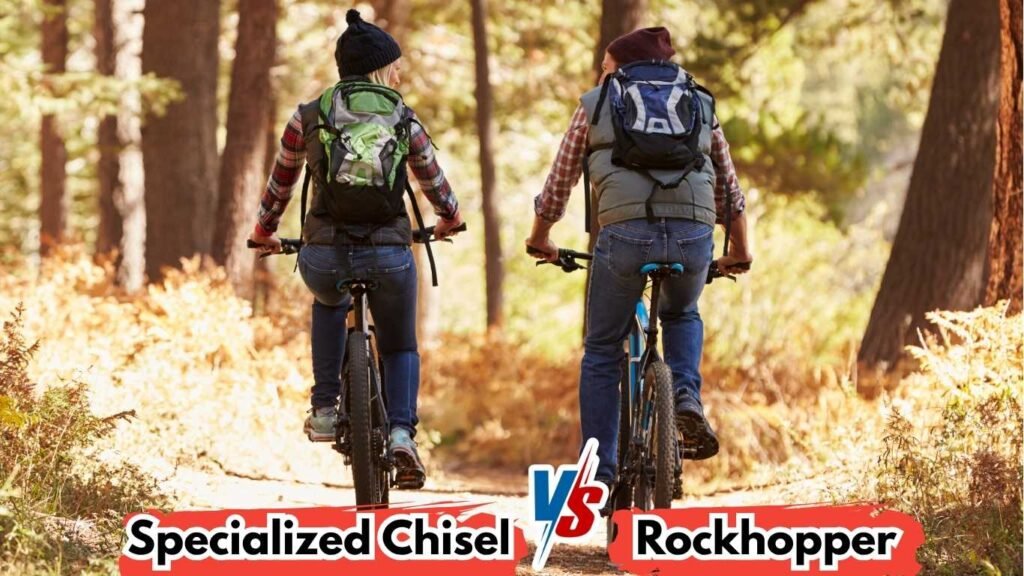
If you’re stuck choosing between the Specialized Chisel vs Rockhopper, that’s a very common confusion.
They both look good, come from a top brand, but they’re totally different bikes, so
I’ll give you the exact difference, the real on-trail difference, feel, budget, durability, long-term value, and looks.
Quick Look Before We Go Deep
- Specialized Chisel: Built for speed, XC racing, lighter, faster, more performance-focused.
- Specialized Rockhopper: Built for beginners or weekend trail riders, more forgiving, comfy, durable, and way easier to live with.
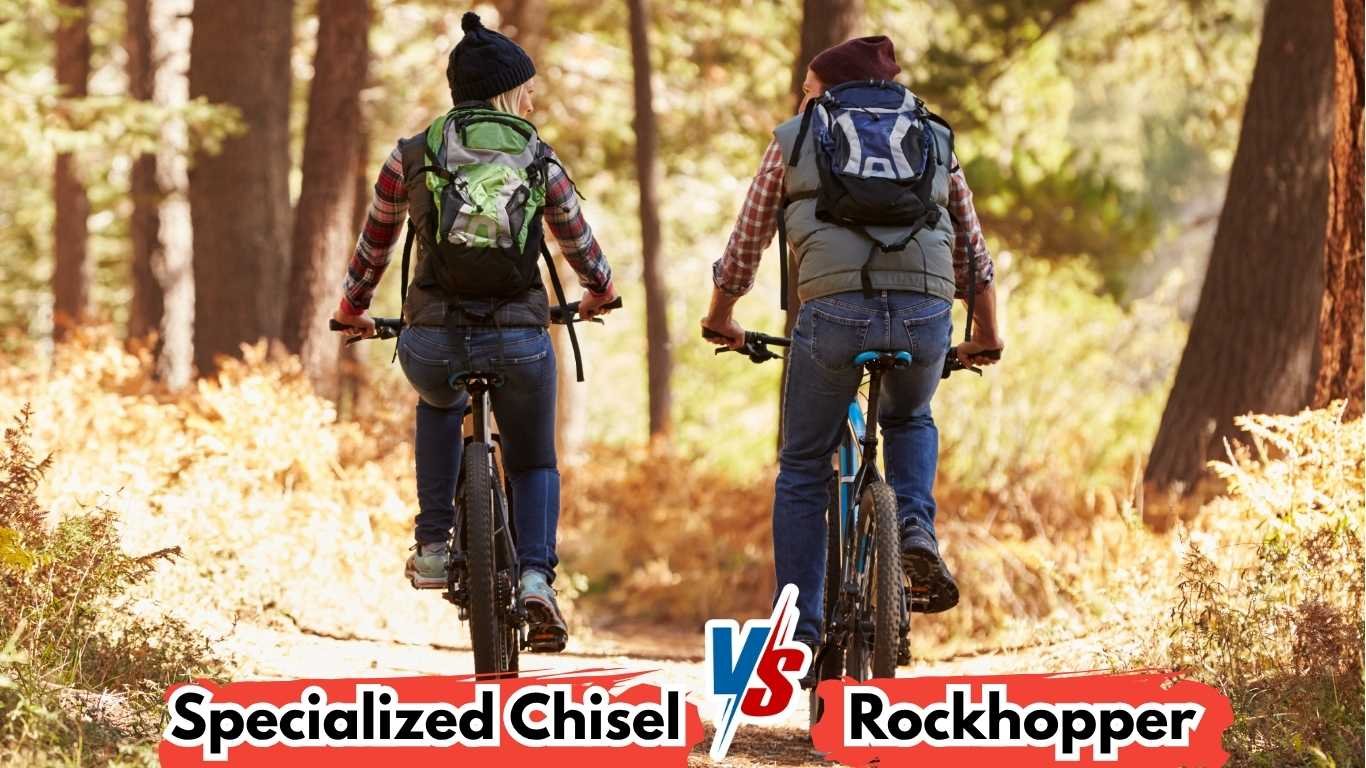
If you’re already a regular rider or planning to go long-term, the Chisel will pull you that way.
But if you just ride for fun or fitness, the Rockhopper fits like a glove.
Chisel vs Rockhopper: Specs
| Spec | Specialized Chisel (2026) | Specialized Rockhopper (2026) |
| Frame | M5 Smartweld Alloy | A1 Premium Butted Aluminum |
| Weight | 11.3 – 11.6 kg | 13.4 – 14.7 kg |
| Fork Travel | 100mm | 100mm |
| Fork | RockShox SID SL / Judy Silver TK | SR Suntour XCM30 / XCR Air |
| Drivetrain | SRAM NX Eagle 1×12 / Shimano Deore 12-speed | Shimano Altus/Deore 1×10 or 2×9 |
| Brakes | Shimano MT500/MT501 Hydraulic | Tektro HD-M275 Hydraulic |
| Wheels | 29″ Tubeless-Ready | 29″ Standard Alloy |
| Tires | Fast Trak Control 2.35″ | Ground Control 2.35″ |
| Head Angle | 68 deg | 68.5 – 69.5 deg |
| Price Range | $1,900 – $2,600 | $750 – $1,300 |
| Best For | XC Racing, Competitive Riding | Beginners, Recreational Riding |
Frame Quality and Design
The first thing that makes or breaks your ride is the frame.
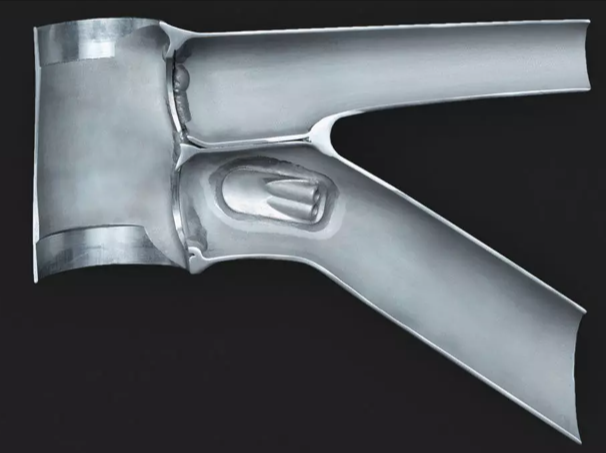
The Chisel uses Specialized’s D’Aluisio Smartweld M5 Alloy, the same material they use in some of their race-level aluminum bikes.
It’s strong but light, the welds look clean, like one single piece – that’s not for show, that’s how it stays stiff when you climb or sprint.
The Rockhopper runs A1 Premium Butted Aluminum is heavier, but rugged.
It’s like a solid old friend, it’ll take hits, small crashes, rough handling, and still keep going.
If you’re a beginner or planning to ride mostly local trails and fire roads, this frame is perfect.
Both have internal cable routing, but the Chisel’s is way cleaner, Rockhopper has a bit of that exposed entry-exit type cable design, I won’t say ugly, but less refined.
Want to go deeper on what frame material means for your ride? Best Frame Material for Mountain Bike.
Weight Difference (You’ll Feel It)
You can say weight doesn’t matter until you actually start climbing.
- Chisel (2026): Sits around 11.3 to 11.6 kg depending on build.
- Rockhopper (2026): Ranges around 13.4 to 14.7 kg.
Almost a 2.5 kg difference and that’s big when you’re out on real trails, the Chisel jumps forward quicker, climbs smoother, and feels alive under you.
On the other hand, Rockhopper, feels steady and planted, which is good for beginners, but you’ll notice it’s not as zippy.
So your personal style matters here, If you enjoy pushing hard uphill or racing, go Chisel.
If you’re the kind who rides for fun, not the stopwatch, the Rockhopper’s extra stability actually helps.
Suspension Setup
Both use 100mm travel forks, but don’t let that same number fool you.
- Chisel 2026: Comes with RockShox SID SL or Judy Silver TK, depending on trim. Air-sprung, fully adjustable rebound and lockout. It feels crisp and smooth on roots, rocks, and small chatter.
- Rockhopper 2026: Uses SR Suntour XCM30 or XCR Air on higher trims, It’s good, but it’s not race-ready. Coil forks flex a bit more and don’t react as quickly as the SID or Judy on the Chisel.
If you ride mixed trails, the Rockhopper is totally fine, but if you’re going to hit technical XC climbs or rolling singletracks, then Chisel fork is good.
Drivetrain & Gear Range
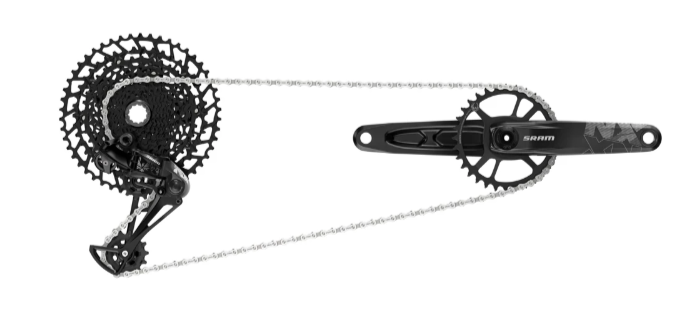
Chisel 2026: Comes with SRAM NX Eagle 1×12 or Shimano Deore 12-speed setups. You get a 10-51T cassette, 32T crank, buttery shifting, and zero dropped chains even when riding fast downhill.
Rockhopper 2026: 1×10 or 2×9 setups with Altus or Deore mix, it works fine, but the jump between gears feels wider and less refined. You will notice a small lag under load.
If you want to ride hilly trails or train for endurance rides, the Chisel’s 12-speed range is perfect.
The Rockhopper is super easy to maintain though, great if you don’t want to think about tuning or chain replacements all the time.
It’s just like I said in Mountain Bike Chain Maintenance, lower-end drivetrains last long but don’t shift as smoothly.
Wheels & Tires
Both roll on 29-inch wheels, which I personally prefer for stability and momentum, but there’s a clear difference below the surface.
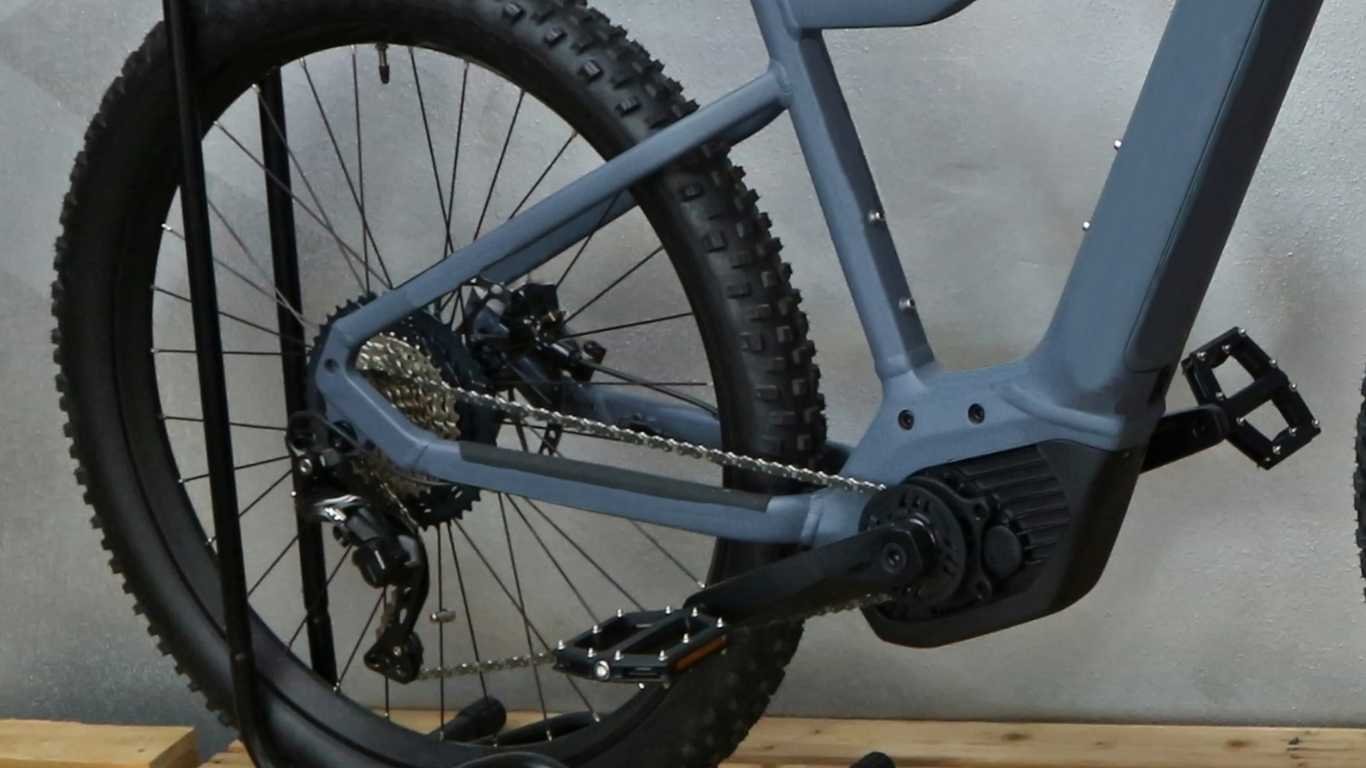
- Chisel: Tubeless-ready rims, Fast Trak Control 2.35″ tires, super fast rolling, perfect for XC.
- Rockhopper: Standard alloy rims, Ground Control 2.35″ tires, thicker tread, better grip on loose dirt, but slower on climbs.
If you want to experiment with tubeless, the Chisel saves you the upgrade hassle – less chance of flats, better traction, lighter ride feel.
If you test them on local trails, the Chisel rolls faster, the Rockhopper is more predictable but slower in tight turns.
Brakes
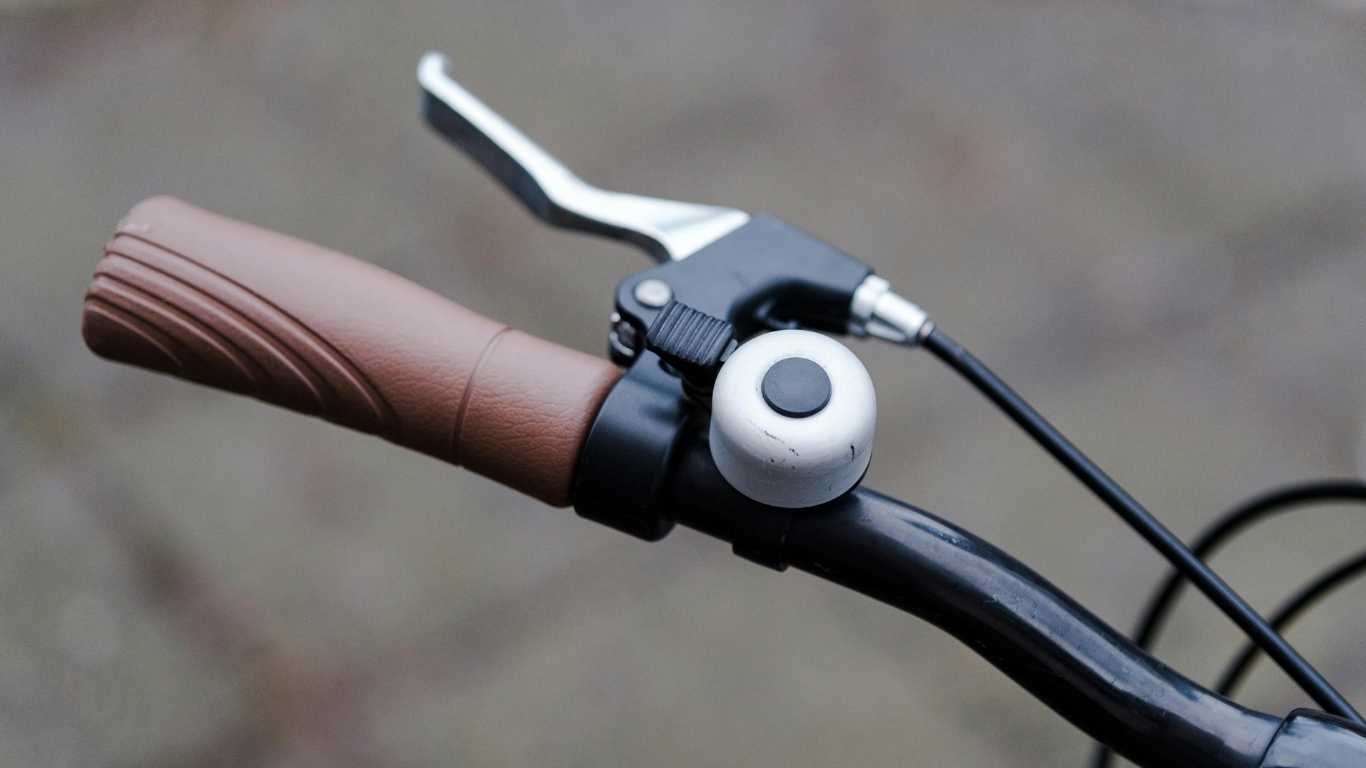
Both come with hydraulic disc brakes, but the Chisel’s are Shimano MT501/MT500 or higher, the lever feel is sharper and more progressive.
The Rockhopper gets Tektro HD-M275 or basic Shimano hydraulics depending on the variant – reliable, but a bit on/off in feel, especially when braking fast downhill.
If you love downhill sections, you should read Clipless vs Flat Pedals because the Chisel’s control really shines when paired with good clipless pedals.
Geometry & Ride Feel
The Chisel has a steeper head angle (68 degrees) and shorter chainstays, putting you in a more forward, aggressive posture, you feel connected to the bike, like it’s an extension of you. It makes it perfect for fast rides, sprints, and races.
The Rockhopper is more relaxed at 68.5-69.5 degrees, giving upright comfort and a bit of flex forgiveness.
For beginners or anyone over 40 starting MTB, I’d say this go for Rockhopper first, I talked about that in Starting Mountain Bike at 40.
Price & Value (2026 Market)
| Model | 2026 Price Range | Rider Level |
| Rockhopper 29 (Sport to Elite) | $750 – $1,300 | Beginner / Recreational |
| Chisel Comp / Chisel | $1,900 – $2,600 | Intermediate to XC Racer |
You’re paying for a high-end frame, drivetrain, and lighter setup with the Chisel, but for casual riders, the Rockhopper gives more than enough for its price.
Still, if you plan to ride consistently, investing once in the Chisel pays off long-term less need to upgrade later.
Thinking about your very first mountain bike purchase? This guide on buying your first mountain bike covers everything you need to know before spending a dollar.
Also check: What Is the Best Age to Start Mountain Biking.
Durability and Maintenance

Rockhopper is literally a tank, It can take abuse, muddy rides, skipped maintenance, and even lazy cleaning, you can leave it in the garage for weeks, and it’ll still go strong.
Chisel requires a bit more love, it has light frame, performance parts, they’re meant to be tuned, cleaned, and kept sharp.
That’s why I always tell new riders to learn the basics of maintenance early, a quick check after every few rides, chain lube, fork pressure, all these keep the Chisel running like new.
You can get all that detail from here: Mountain Bike Maintenance.
Looks and Finish
Not gonna lie – the Chisel looks stunning. Smooth welds, matte finish, subtle branding, internally routed cables. It looks premium even parked.
The Rockhopper is more old-school and bold, with bright color options, visible welds, and that solid trail look.
If aesthetics matter to you, the Chisel wins hands down. It’s got that pro-level but not shouting kind of vibe.
Upgrade Potential
You’ll eventually want to upgrade something – wheels, brakes, or drivetrain.
The Chisel frame is already race-level, so you can throw carbon wheels, a dropper post, or even higher-end forks on it later. Every upgrade feels worth it. See the full breakdown: Best Upgrades for Specialized Chisel.
The Rockhopper, on the other hand, has limits. The frame geometry won’t really justify high-end parts after a point. It’s great as-is, but if you keep riding more, you’ll eventually outgrow it.
That’s why, for anyone serious about progression, I suggest investing straight in the Chisel. Upgrading a Rockhopper over time ends up costing close to a new Chisel anyway.
Curious how the Chisel compares to other Specialized bikes? Check Chisel vs Chameleon and Specialized Chisel vs Epic Hardtail to see where it sits in the full Specialized lineup.
Comfort and Long Rides
The Chisel is firm. You’ll feel every root and bump if you don’t adjust the fork or tire pressure properly. But once you dial it in, it glides.
The Rockhopper is naturally softer due to thicker tubing and a heavier frame – perfect for chill weekend rides or commuting.
If you ride daily for fitness, both can work. But if you want that speed-motivation feeling every morning, the Chisel gives you that rush.
Even check: What Happens If You Bike Every Day for 30 Minutes.
What Real Riders Are Saying in 2026
One of the biggest searches around this comparison is what the community actually thinks – not what spec sheets say. Here’s the honest picture from real rider discussions across forums and communities:
- Most experienced riders agree: if your budget can stretch to the Chisel, don’t overthink it. The performance gap is real and you’ll feel it within the first hour on trail.
- New riders consistently report: the Rockhopper’s forgiving geometry made them a better rider faster. They didn’t feel punished for mistakes. That matters more than most people admit.
- The most common regret pattern: buying the Rockhopper, loving it for 6 months, then wishing they’d bought the Chisel. The second most common: buying the Chisel too early and feeling they weren’t skilled enough to use it properly.
- On the weight comparison specifically: the 2 – 2.5 kg gap is the most discussed spec. Riders doing back-to-back trail tests describe the Chisel as ‘alive’ and the Rockhopper as ‘solid.’ Both are compliments – for different riders.
The consistent takeaway from community experience: your skill level and how seriously you’ll be riding in 12 months matters more than any spec number.
Final Decision: Which One Is For You?
If you’ve read till here, you already know your answer.
Pick Specialized Chisel if you:
- Ride regularly or plan to race XC.
- Want light weight, speed, and top-tier handling.
- Care about performance and future upgrades.
- Plan to grow with your bike.
Pick Rockhopper if you:
- You’re new or casual.
- Want comfort, simple maintenance, and affordability.
- Don’t care about racing – just enjoy the trails.
- Want a bike that’ll last years without fuss.
Either way, both are solid bikes and they’ll both take you places, it just depends on how fast and how far you plan to go.
Conclusion
The Specialized Chisel is for riders who want more than just weekend rides, It’s the bike that pushes you, climbs like it’s got its own motor, and feels alive under your legs.
It comes with lighter frame, better fork, 12-speed setup, everything is tuned for speed and efficiency.
Rockhopper is for the riders who just want to get out and ride, just pure riding fun. It’s cheaper, tougher.
But if you’re thinking long-term and you know you will stick with mountain biking – go with the Chisel.
In the end, Rockhopper is for the fun and Chisel is for the future.
FAQs
Can you upgrade the Rockhopper to make it like the Chisel later?
You can upgrade some parts like the wheels, fork, drivetrain but not fully.
The Rockhopper’s frame geometry and tubing aren’t designed for aggressive XC riding.
You’ll reach a limit fast, the Chisel, though, can take high-end parts for years – lighter carbon wheels, dropper post, better forks, so It’s meant to be upgraded.
Is the Specialized Chisel a good bike?
Yes, the Specialized Chisel is one of the best aluminum XC hardtails in its price range.
The M5 Smartweld frame is stiffer and lighter than most bikes at this price point, and the 12-speed drivetrain, air-sprung fork, and tubeless-ready wheels give you a complete, race-capable setup.
For riders who are serious about trail performance or XC racing, it punches well above its price class.
Where it’s not the right fit: casual or beginner riders who want a low-maintenance, forgiving ride.
Is the Specialized Chisel discontinued?
As of mid-2026, the Chisel has seen limited availability in some markets due to Specialized’s lineup adjustments and changing stock cycles.
Some trim levels have been phased out while others remain available.
I strongly recommend checking Specialized’s official website or contacting your local authorized dealer to confirm what’s in stock in your region.
If the Chisel is unavailable near you, the Specialized Chisel vs Epic Hardtail comparison is worth a read.
What is the Specialized Rockhopper used for?
The Specialized Rockhopper is designed for trail riding, recreational mountain biking, light XC riding, and general fitness use.
It handles hardpack trails, gravel paths, fire roads, and moderate singletrack comfortably.
It’s also the most popular choice for beginner mountain bikers, riders returning to the sport after a break, and anyone who wants a reliable, low-maintenance bike for weekend rides.
It’s not built for racing, aggressive technical terrain, or bike parks, for those situations, the Chisel or a full-suspension bike would be a better fit.
What type of bike is the Specialized Chisel?
The Specialized Chisel is a cross-country (XC) hardtail mountain bike.
Hardtail means it has front suspension only, a quality air-sprung fork but no rear suspension.
XC means it’s optimized for speed, climbing efficiency, and trail endurance rather than aggressive downhill or freeride use.
How do the Chisel and Rockhopper compare on weight specifically?
The Chisel weighs 11.3 – 11.6 kg depending on trim, the Rockhopper comes in at 13.4 – 14.7 kg, roughly a 2 – 2.5 kg difference, which you’ll feel on any climb.
The Chisel accelerates faster, feels more responsive, and handles elevation changes better, and the Rockhopper’s extra weight translates to a more planted, stable ride feel, which beginners and casual riders often actually prefer.

Muhammad Abraham is the founder of Mountain Bike Insider and has been riding mountain bikes for over 15 years. He started writing professionally in 2017 and launched this site in 2024 to share practical MTB gear reviews, bike comparisons, trail guides, and riding advice based on real-world experience. When he has not used a product directly, he clearly says so and supplements his research with input from other riders and the mountain biking community.